Sub-Total: 0,00 €



Puente Viejo en la Cañada Real Segoviana


The union between the Castles in Manzanares El Real
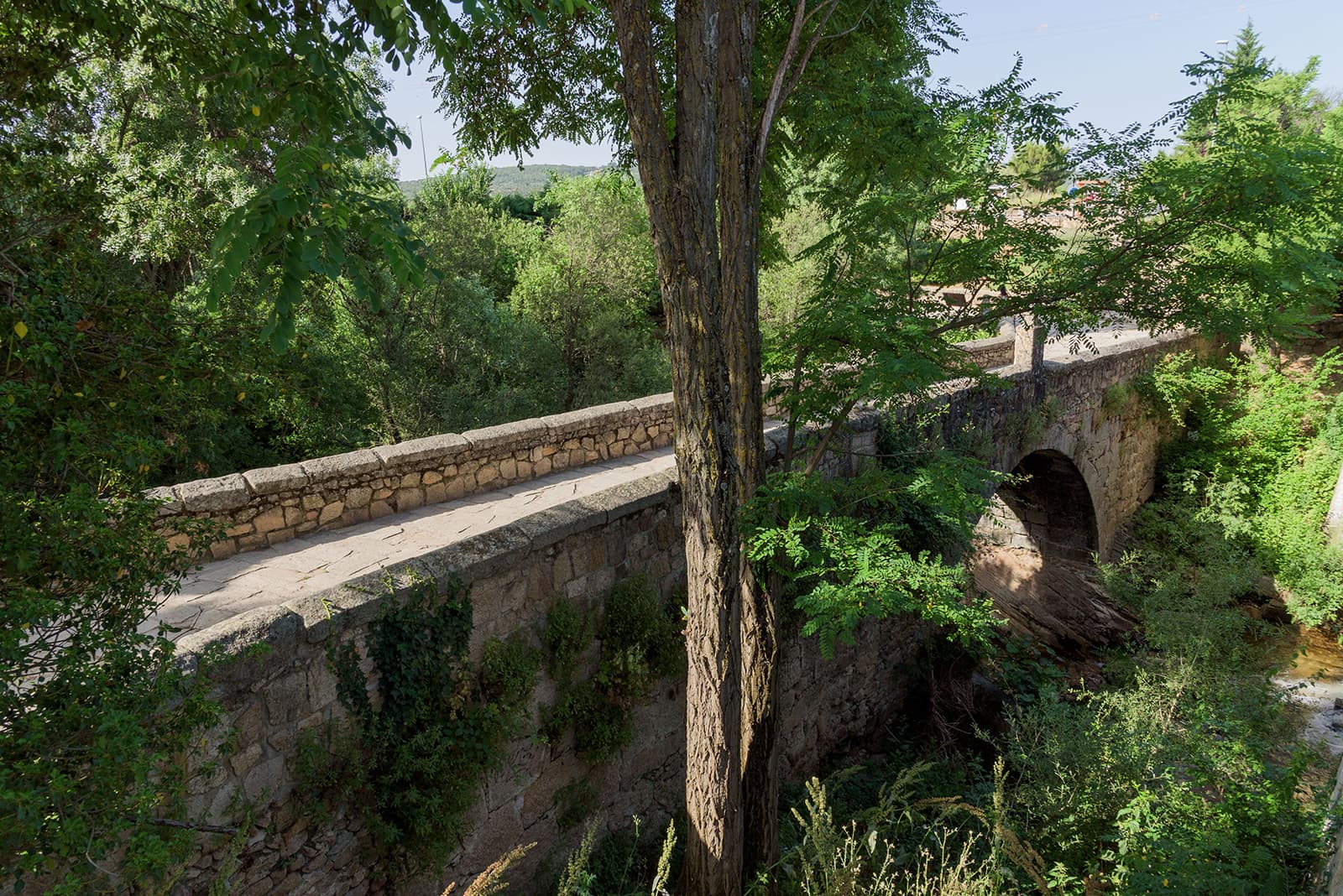
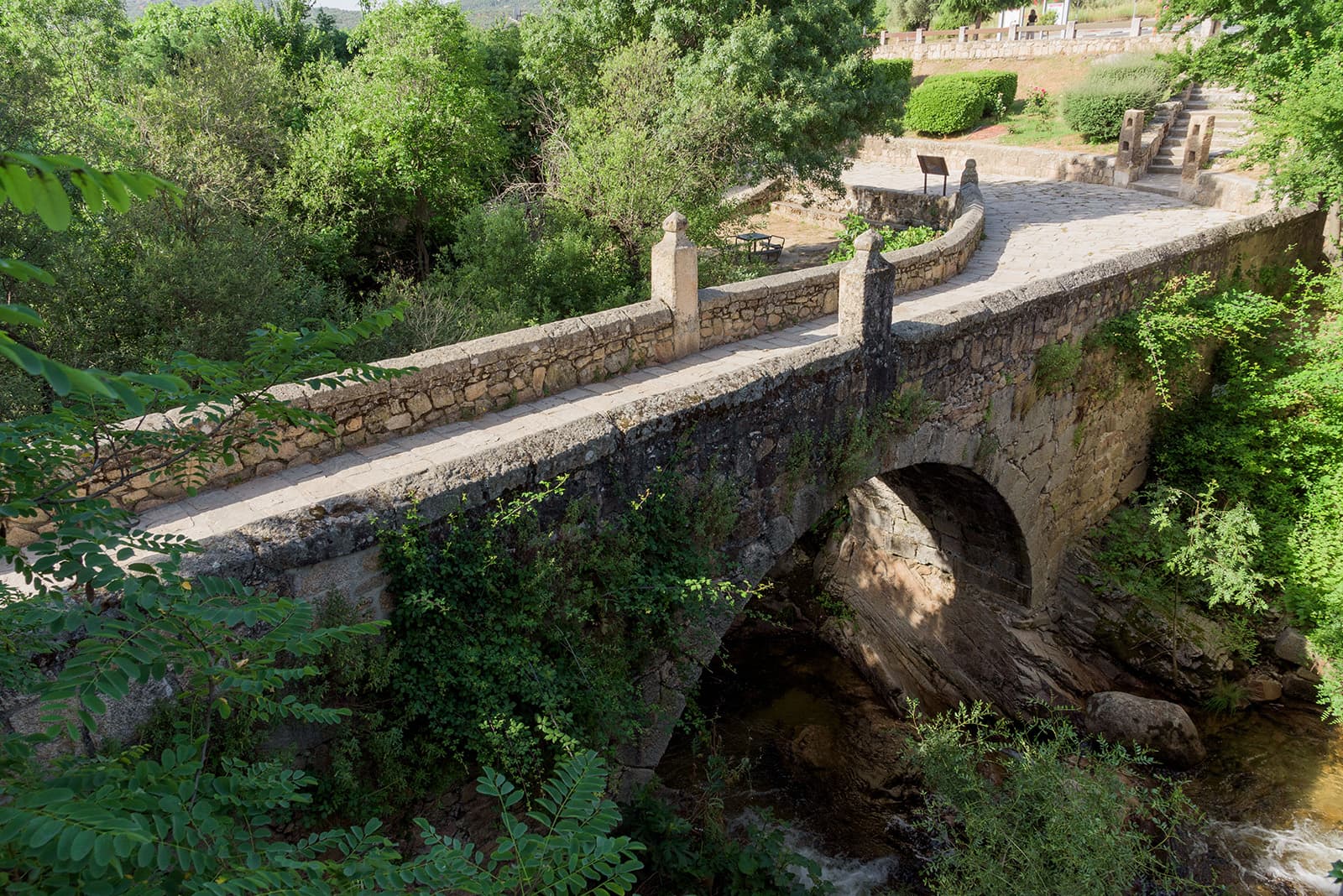
The granite of La Pedriza was transformed into a bridge to cross the river, so that livestock and people could continue walking along the Cañada Real Segoviana.
Old Bridge in the Cañada Real Segoviana
Coordinates UTM HUSO 30
ETRS89 X: 426766 Y: 4508701
24h

At least since Roman times, the roads, tracks and paths in our villages have been used by its inhabitants as a means of connection, relationship and transportation. Many of these roads were the drovers’ roads that Alfonso X El Sabio regularised in the 13th century.
To link La Rioja with Extremadura, the Old Bridge was built in Manzanares El Real, as a means of safe passage over the Cañada Real Segoviana (Segovian Royal Glen). It was also the place where the ‘pontazgo’ tax was collected, a toll required to cross it.
Its location is strategic and in its origins, probably Roman, it was made of wood until the 16th century when it was erected in granite to ensure its future survival.

History of our most precious bridge
Today it is only enjoyed by pedestrians, with access restricted to motor vehicles.
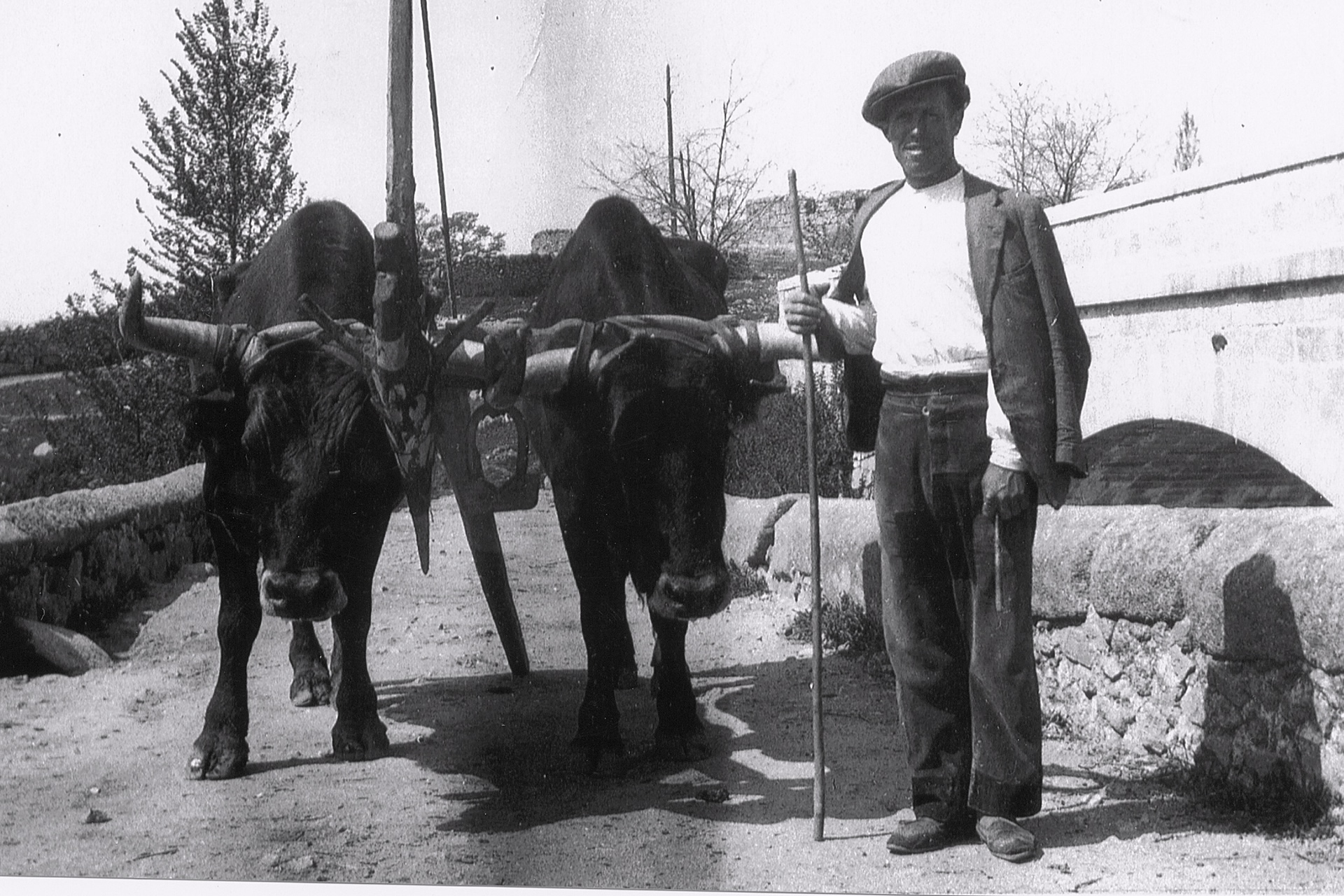
| Since the Middle Ages, the Old Bridge has been used to cross the Manzanares River and continue the route along the Cañada Real Segoviana, a cattle track that connected La Rioja with Extremadura and was used by travellers, traders and livestock of the Council of La Mesta.
In the 13th century, King Alfonso X regularised the glens to organise and protect the movement of livestock, people and goods, turning them into important means of transportation. As part of this regularisation, the ‘pontazgo’ tax was established in Real de Manzanares, a toll required at the Old Bridge to cross it and an important source of income for the Lords of the Real. |
 |
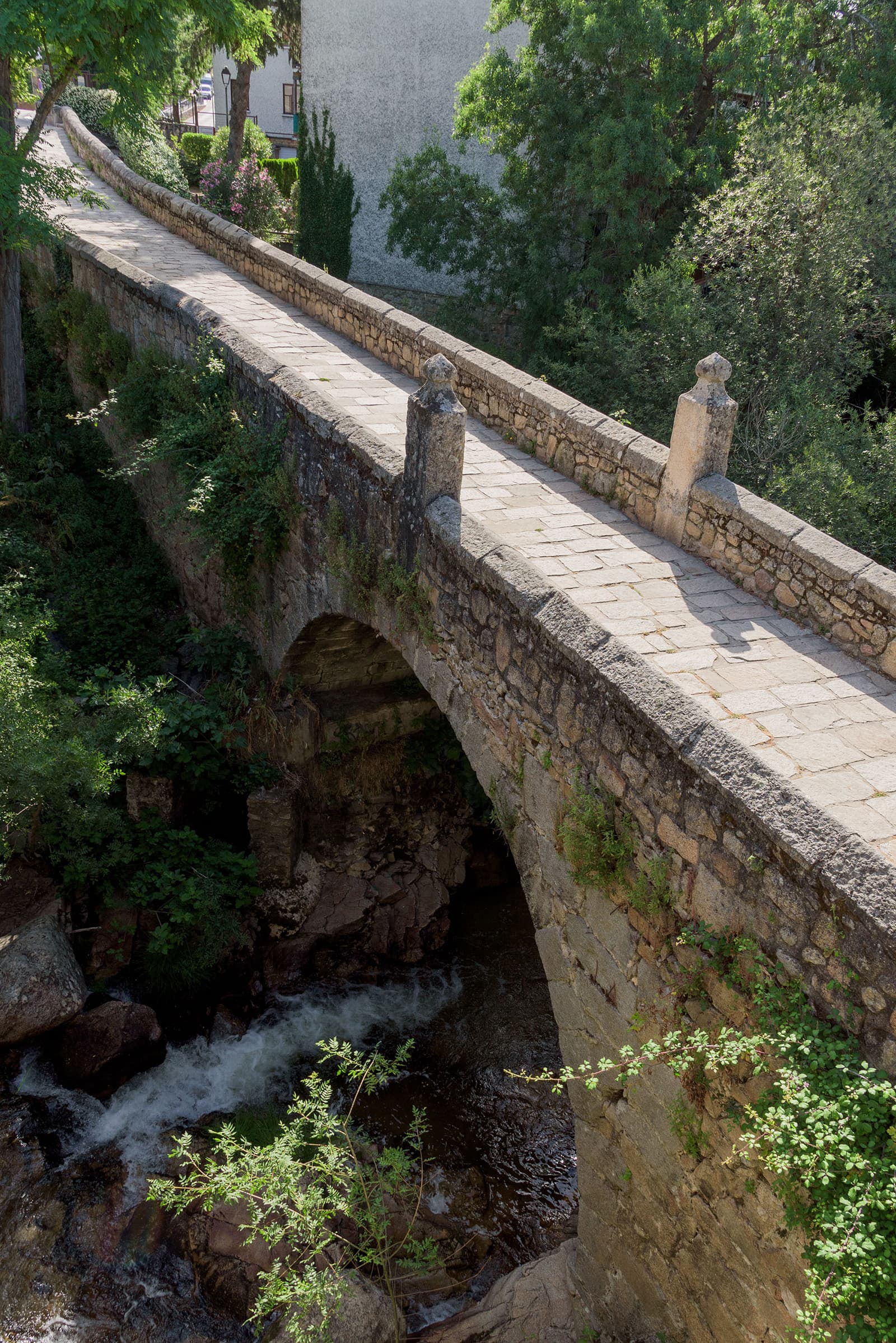
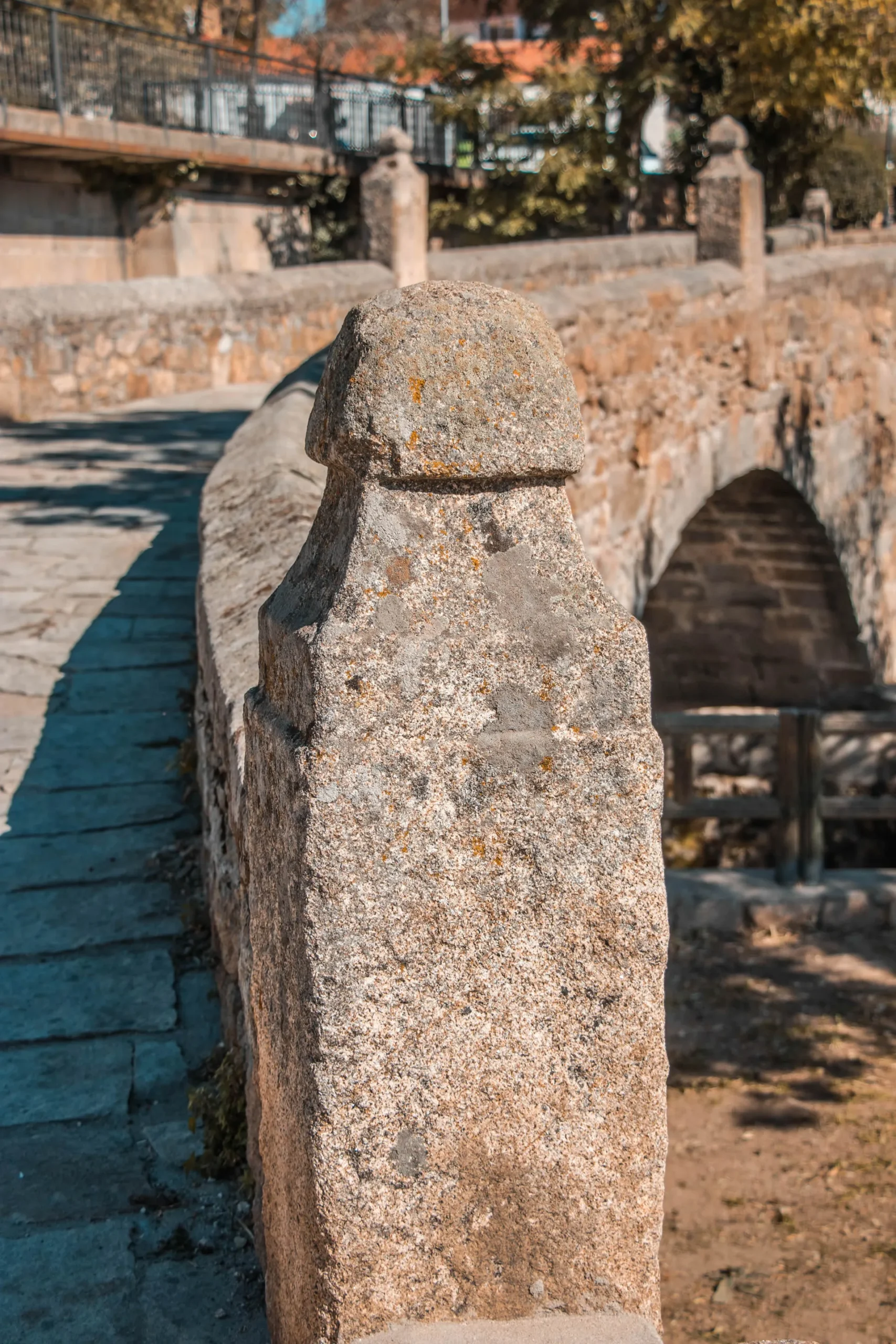
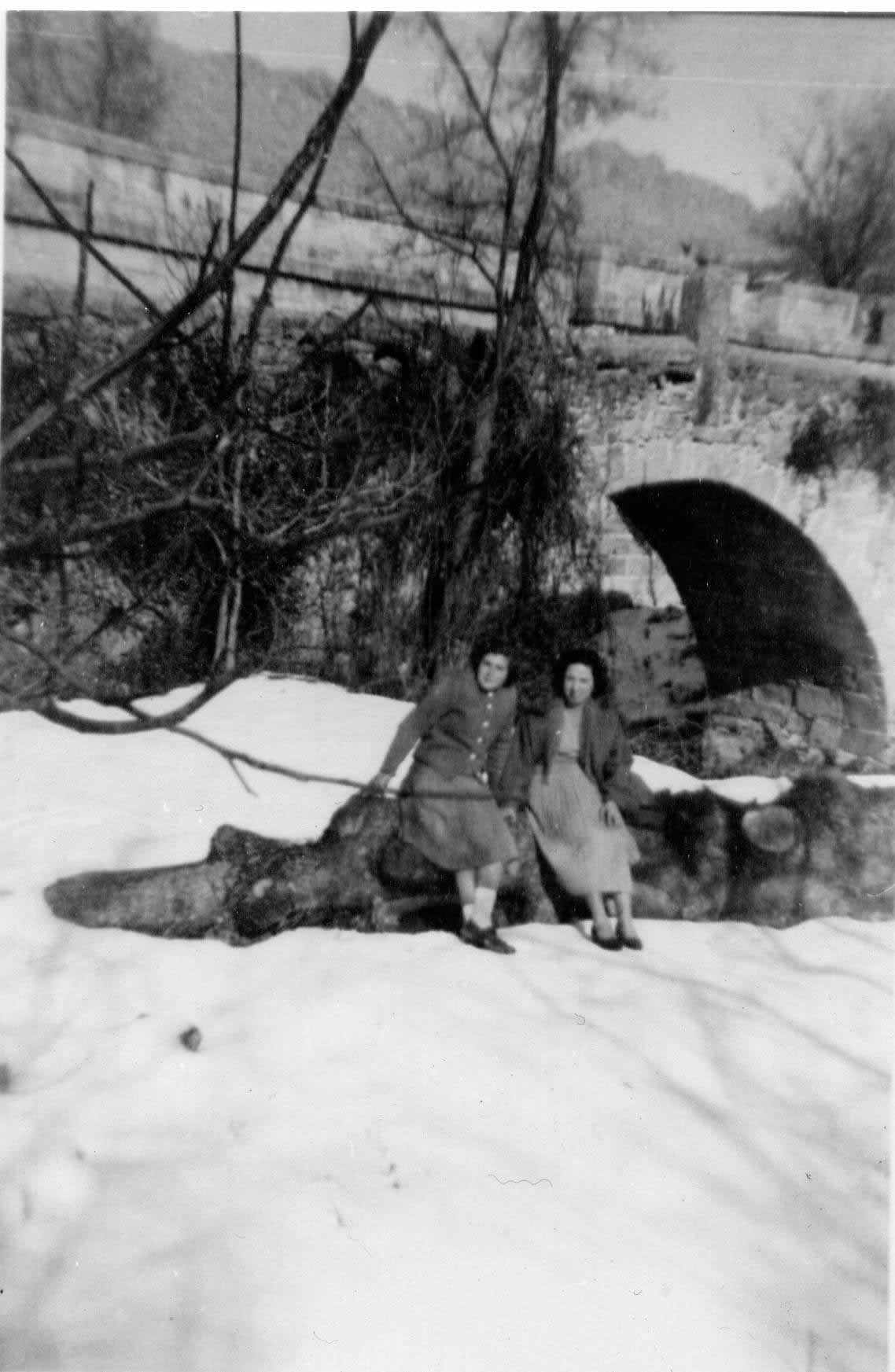
| Although the Bridge was originally made of wood, it was rebuilt in the 16th century in granite masonry, with a single span and foundations resting directly on the natural rocks on the riverbanks. It has been restored on several occasions over the centuries, due to the strong floods of the Manzanares River in times of thaw, as was the case of the huge flood of 1680, which swept away all the bridges and mills built along its course, both in Manzanares El Real and Colmenar Viejo. In fact, the railing or parapet has two granite posts topped with a pinnacle, and the date of its last reconstruction in 1792 is inscribed on one of them.
The change in customs and advances in transport resulted in the construction in the 20th century of a wider bridge for motor vehicle traffic, the Old one being reserved for pedestrians. From the Old Bridge itself, and integrated into the foundations of the housing development, we can see some remains of what used to be the main building of the Continuous Paper Mill of Manzanares El Real, opened in 1837, the first of its kind to be built in Spain. There, in addition to sheets, reels of paper were manufactured for the emerging publishing activity of the numerous weeklies and newspapers of the mid-19th century, as well as for the publication of the Boletín Oficial del Estado (Official State Gazette). |
 |
Images