Sub-Total: 0,00 €



La Pedriza del Manzanares


A unique orography in the Iberian Peninsula
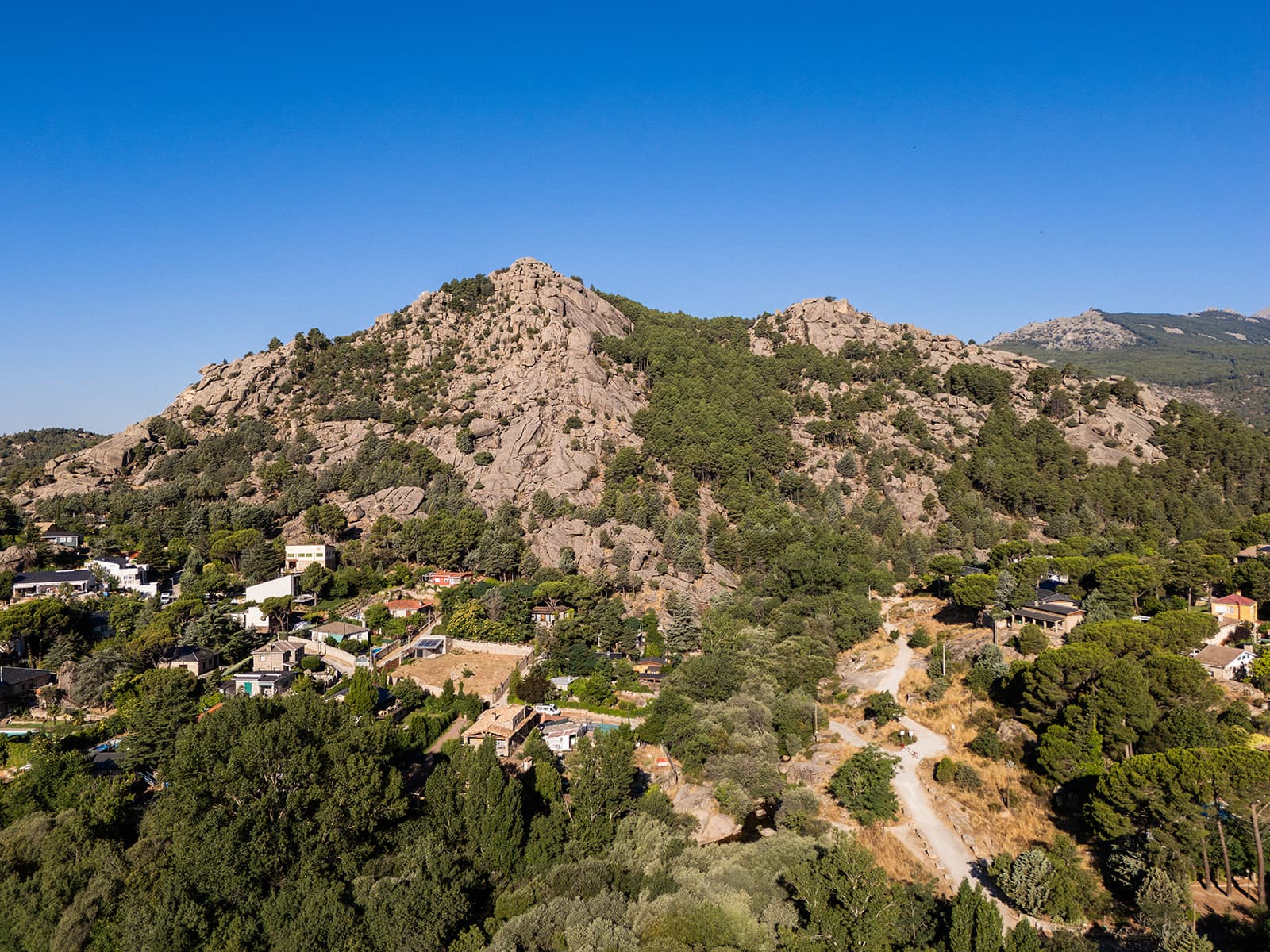
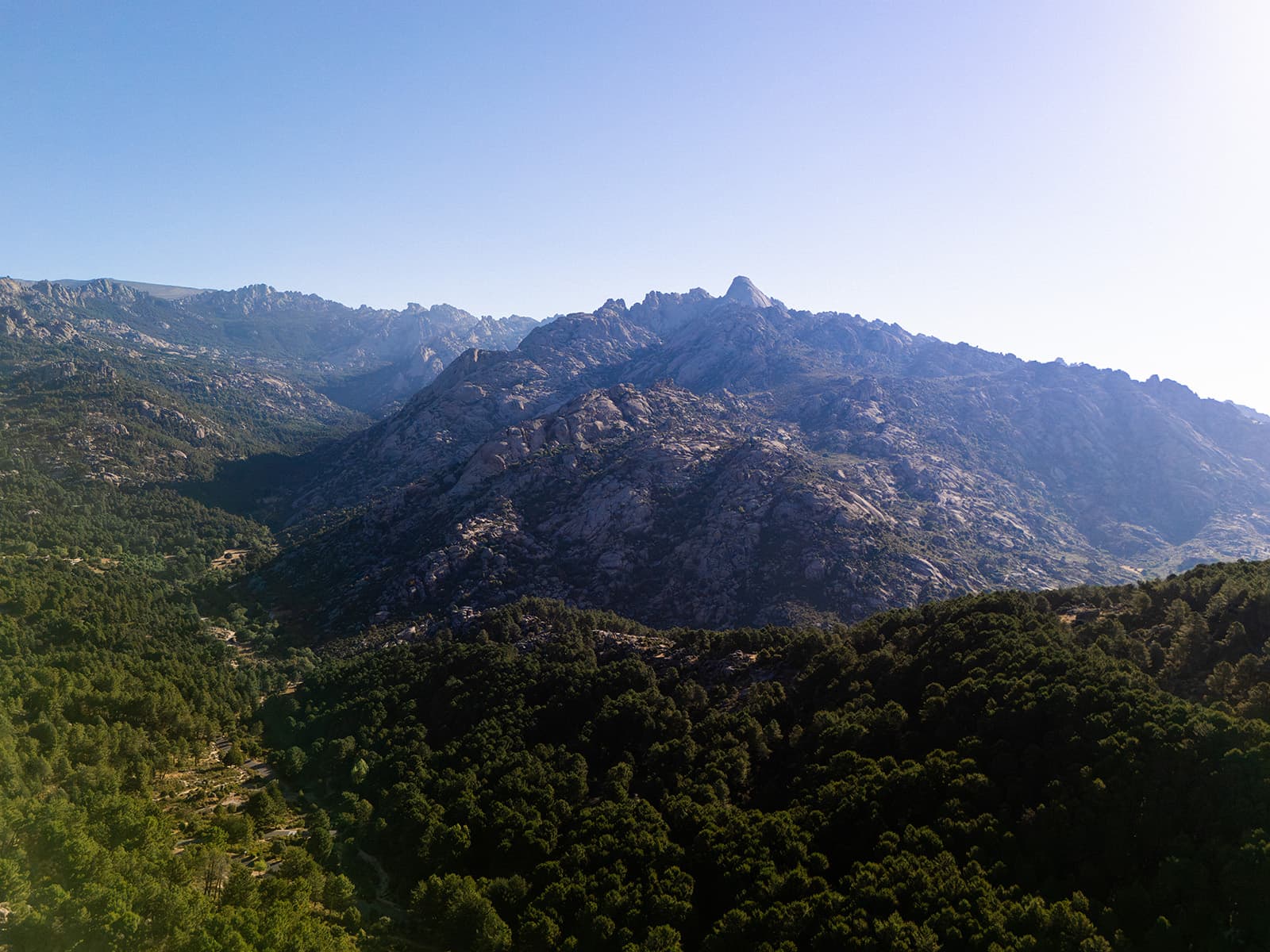
Granite everywhere, the giant crag of capricious shapes that, although it may seem impossible, is home to a huge and wonderful variety of fauna and flora.
La Pedriza del Manzanares
Centro de Visitantes La Pedriza:
Camino de La Pedriza s/n
28410 Manzanares El Real. Madrid
Monday: 09:00 – 15:00,
Tuesday: 09:00 – 15:00,
Wednesday: 09:00 – 15:00,
Thursday: 09:00 – 15:00,
Friday: 09:00 – 15:00,
Saturday: 09:00 – 15:00,
Sunday: 09:00 – 15:00

In the process of protecting La Pedriza, 1930, 1985, 1992 and 2013 have been the decisive moments, from its classification as a Natural Site of National Interest, its inclusion in the Cuenca Alta del Manzanares Regional Park, its declaration by UNESCO as a Biosphere Reserve, and its inclusion in the Sierra de Guadarrama National Park.
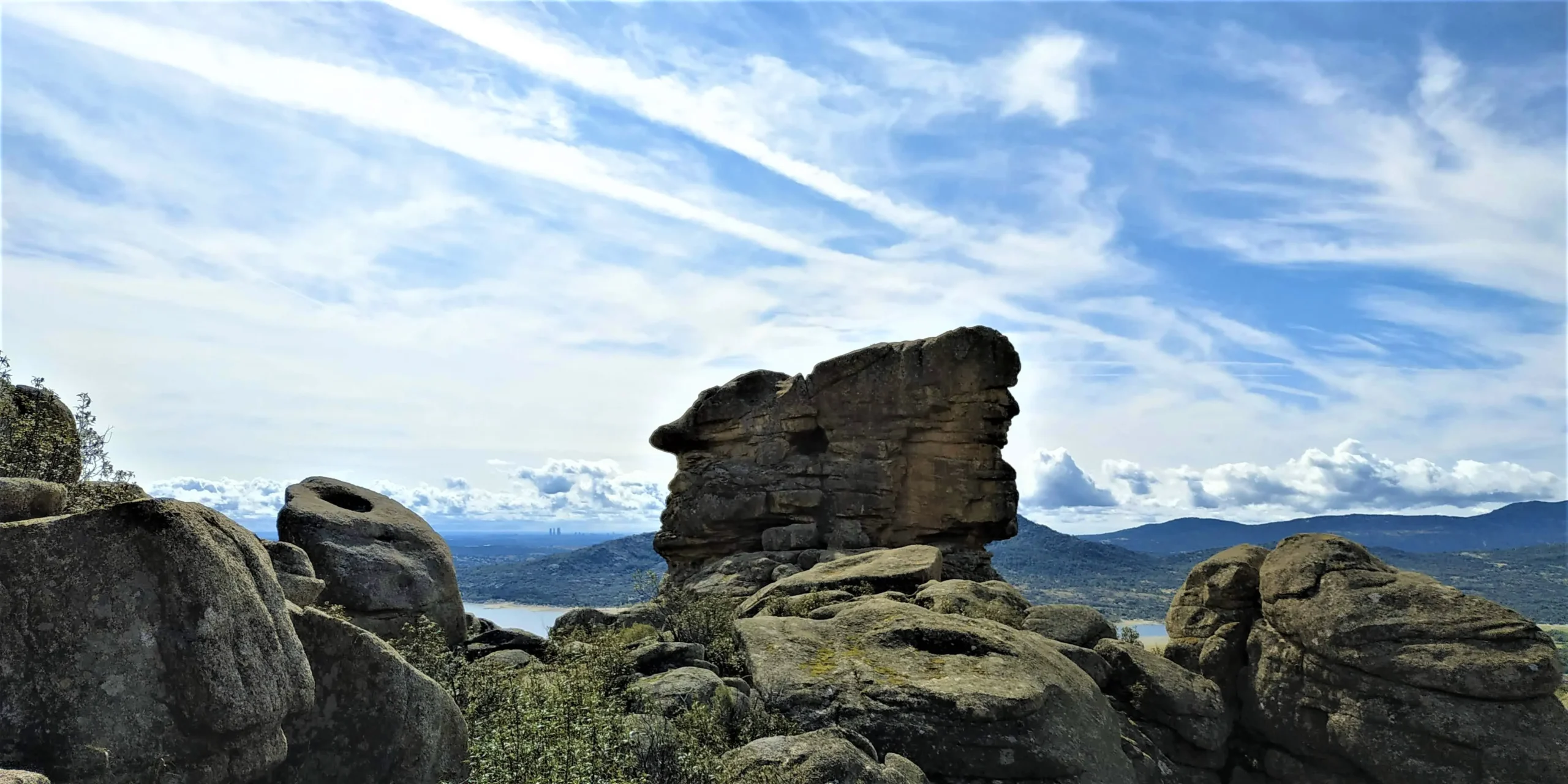
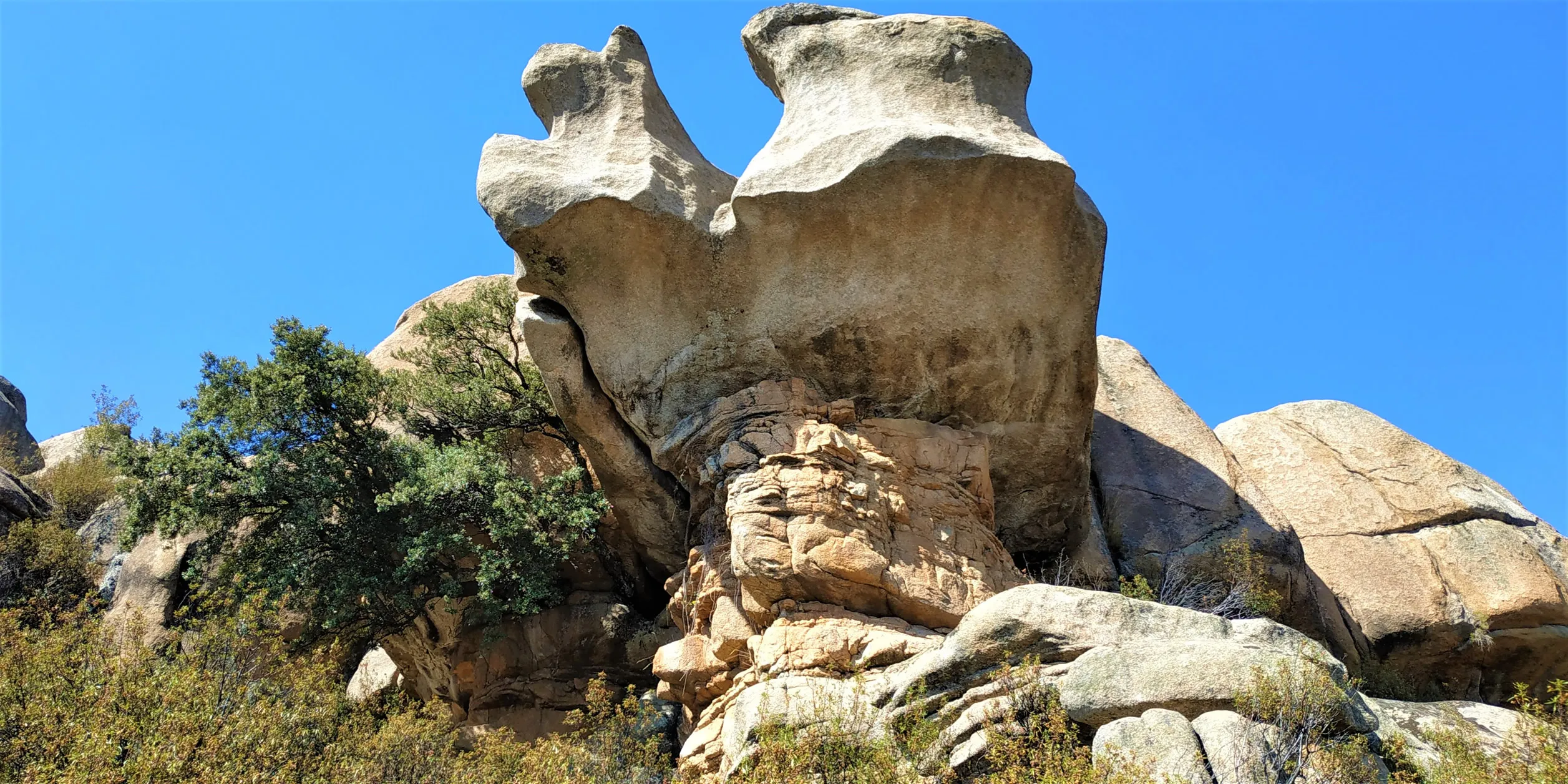
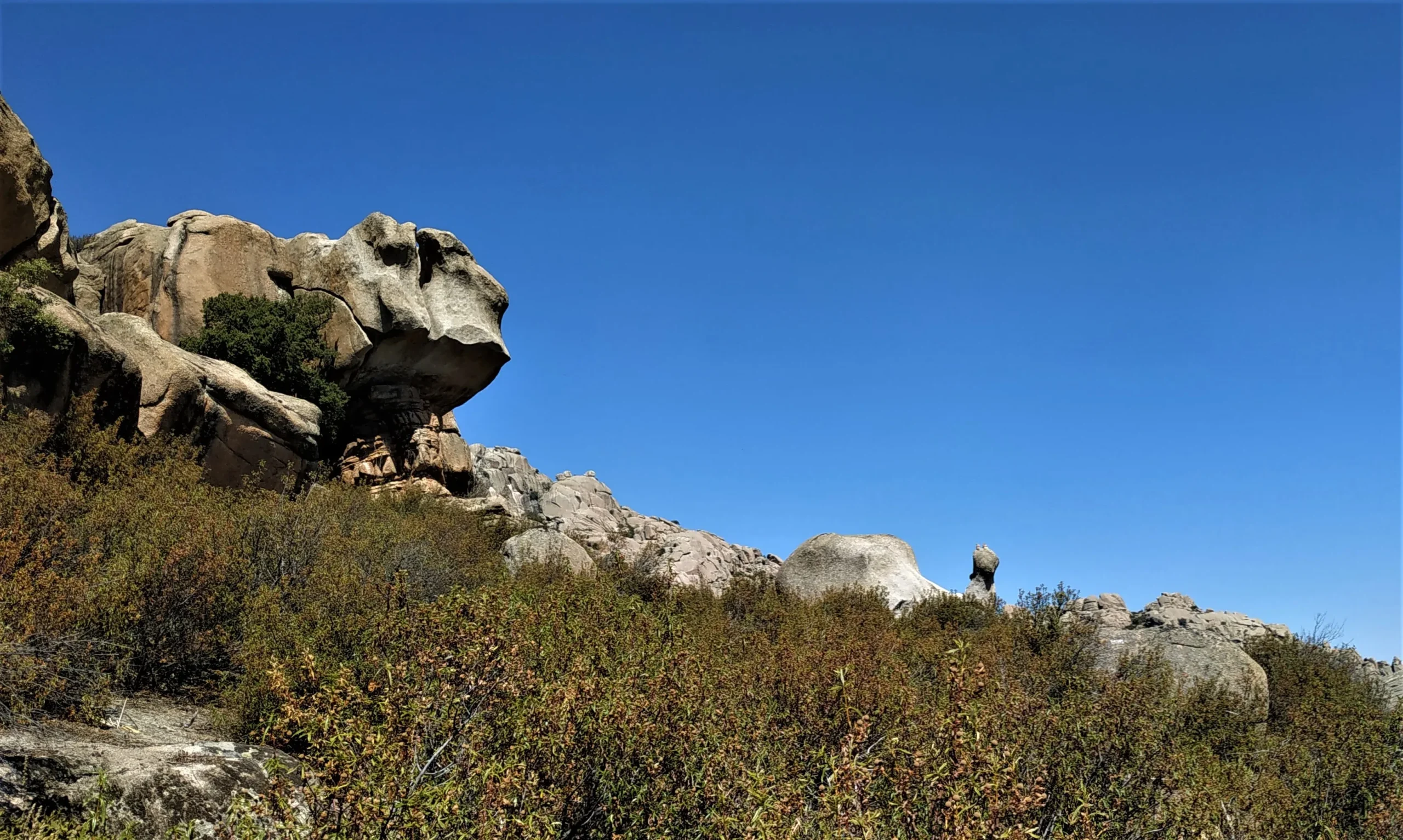
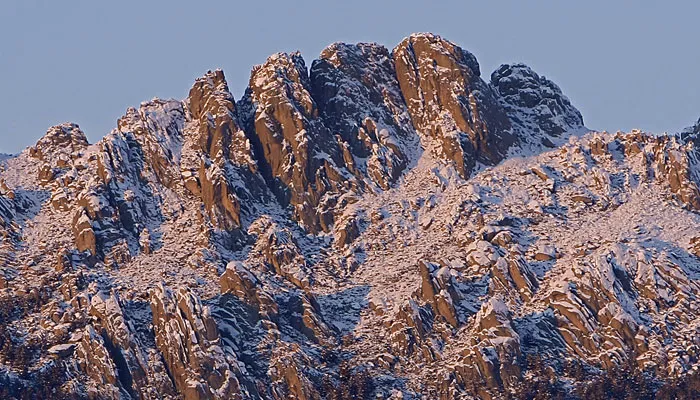
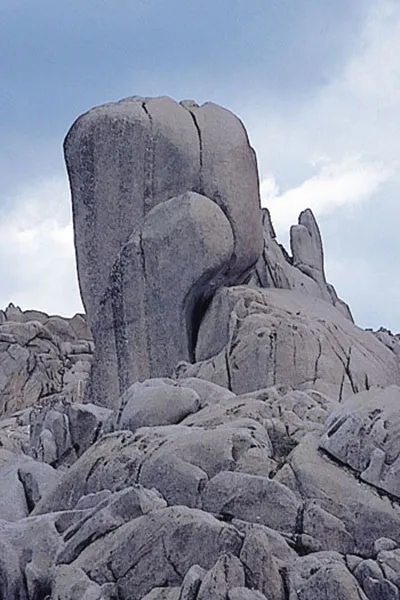
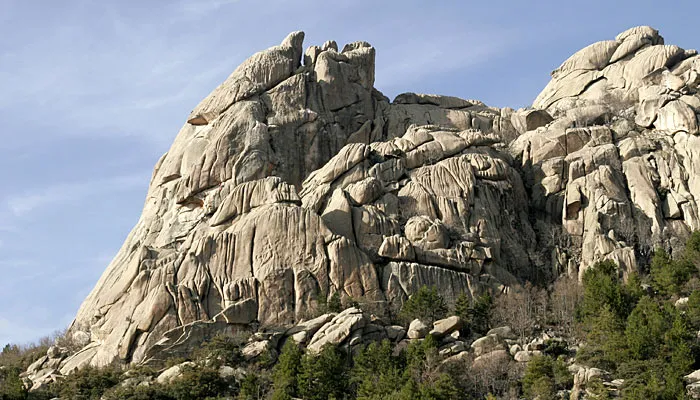
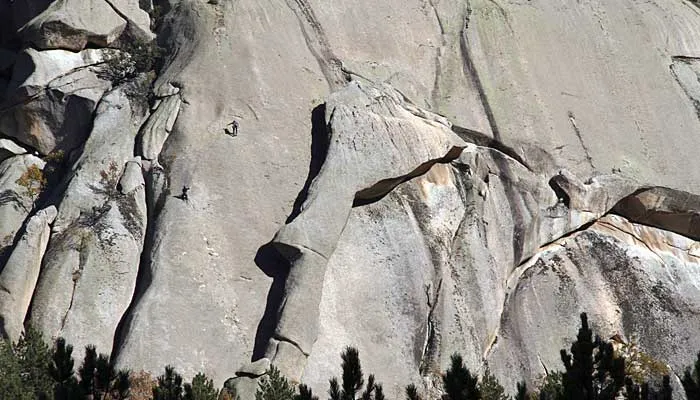
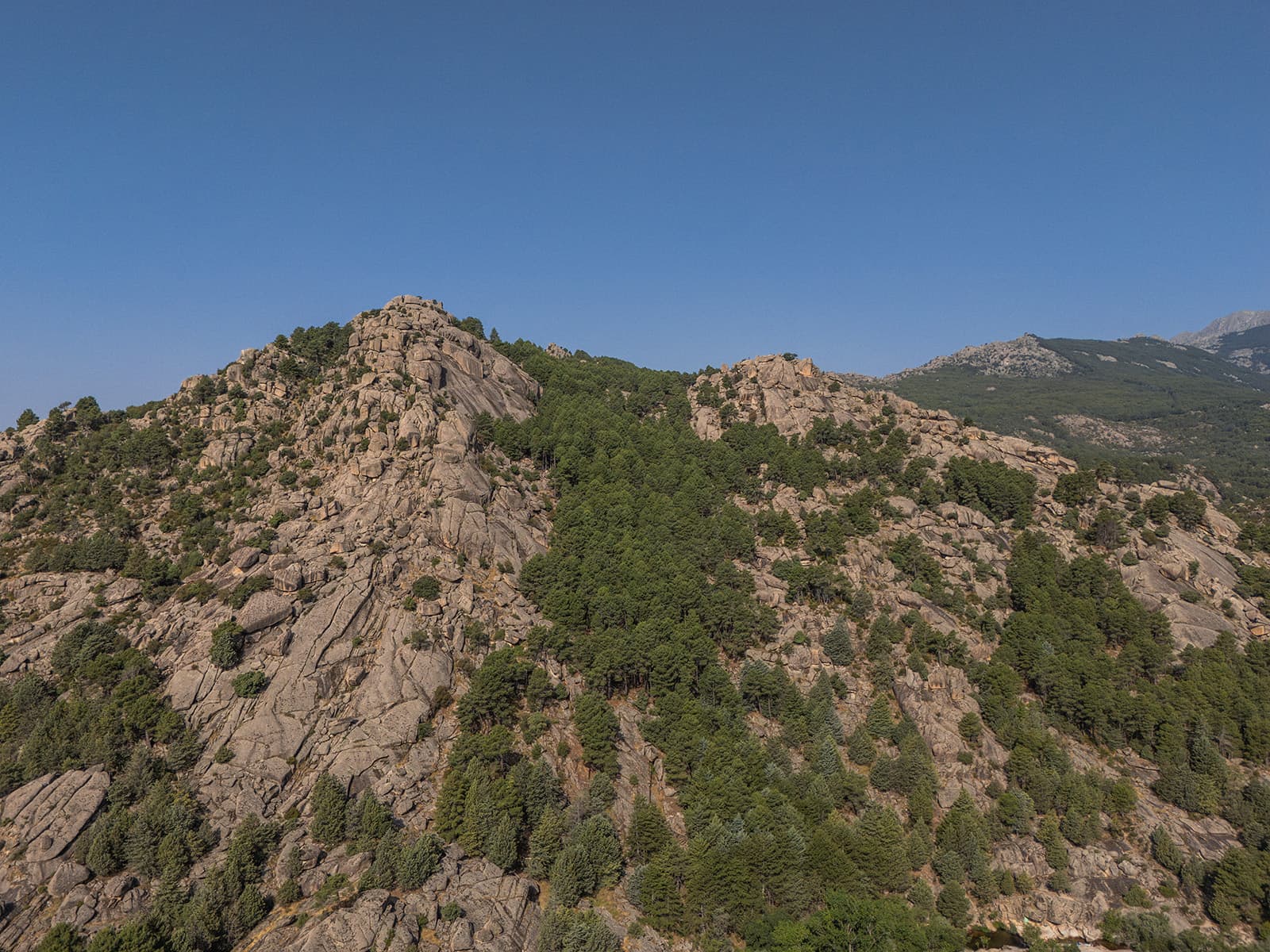
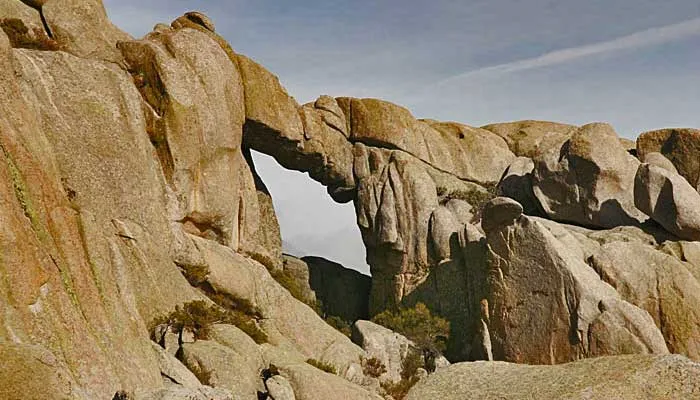
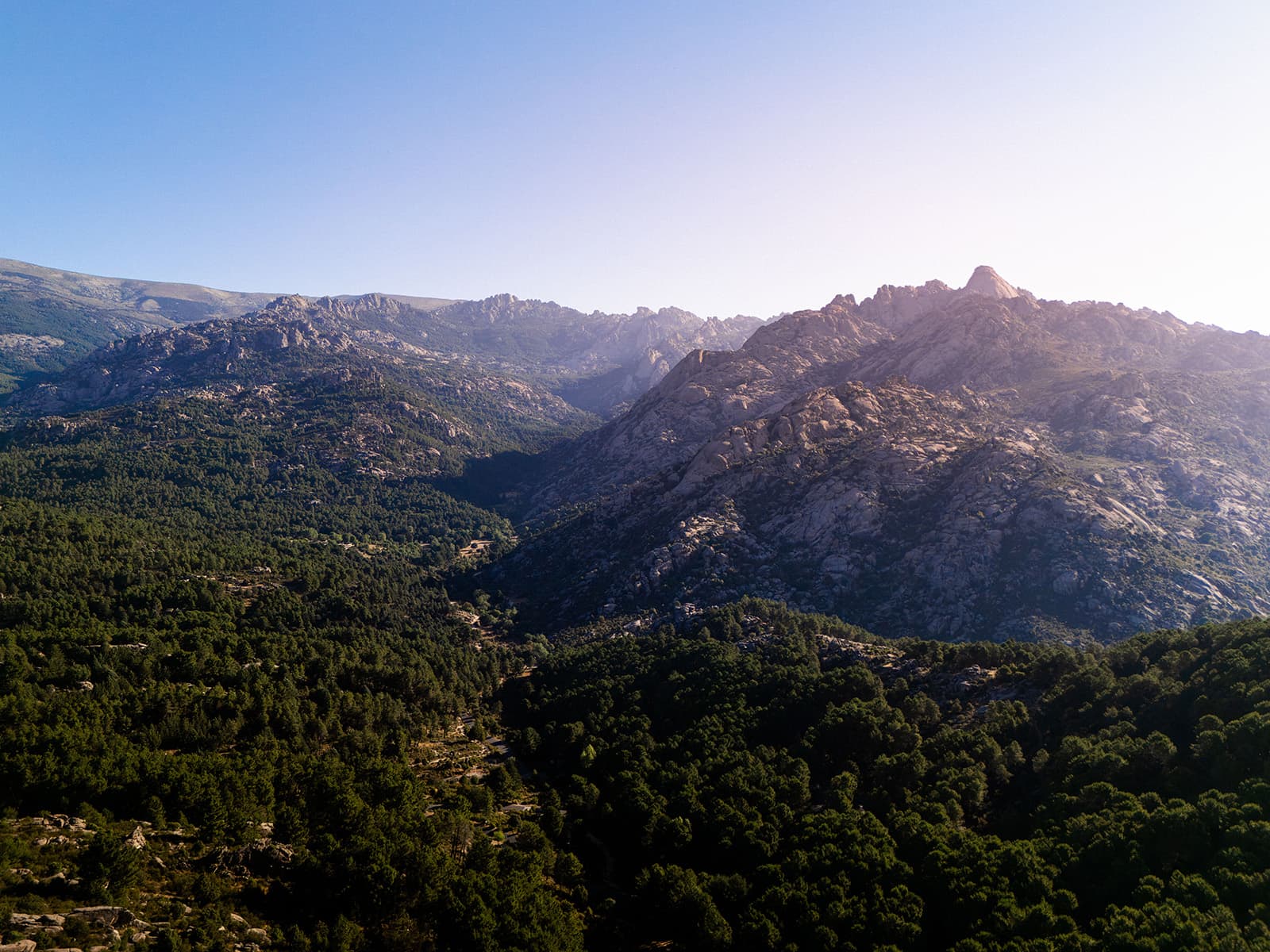
Located on the southern slopes of the Guadarrama Mountain Range, its mineral composition, together with the erosion of nature, have created curious shapes that make up an authentic granite museum where the Yelmo is the undisputed king in popularity.
Las Torres (The Towers) (2.029 m) is the highest point in La Pedriza, and there is no parallel to any of its crags and pinnacles in our peninsula.

Much more than granite
Its unique importance comes from its singularity, where humans and nature have been evolving for thousands of years.
| Before dinosaurs walked the Earth, La Pedriza already rose above a territory that, one day in the future, would be called Manzanares El Real.
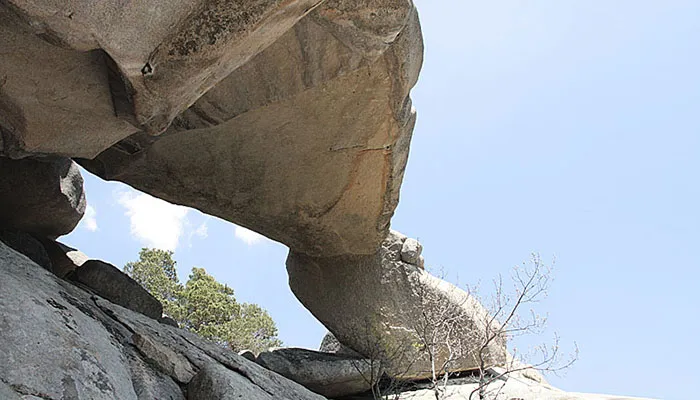
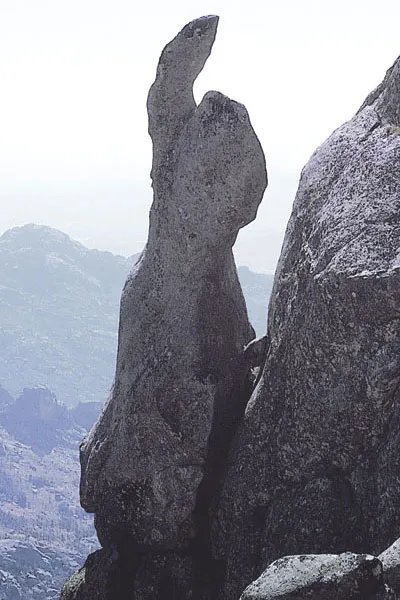
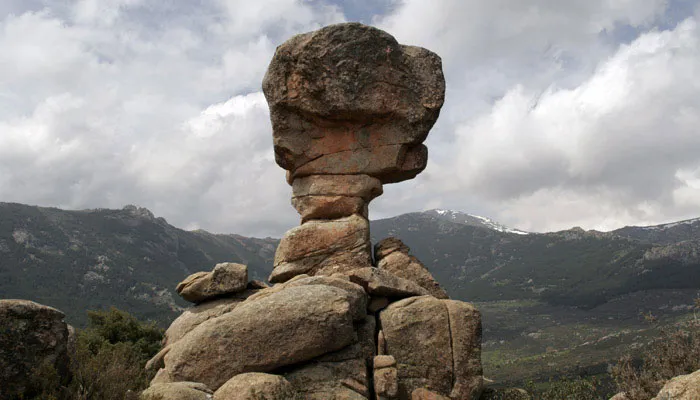
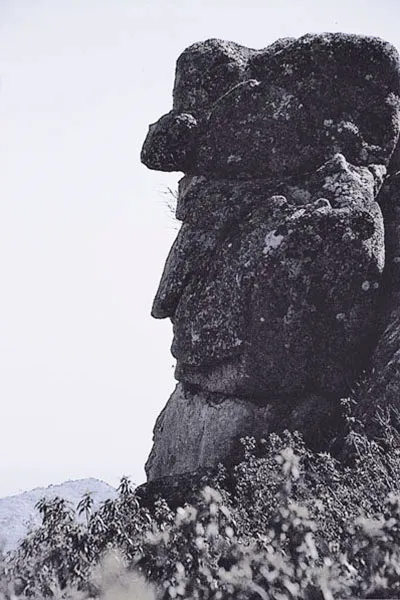
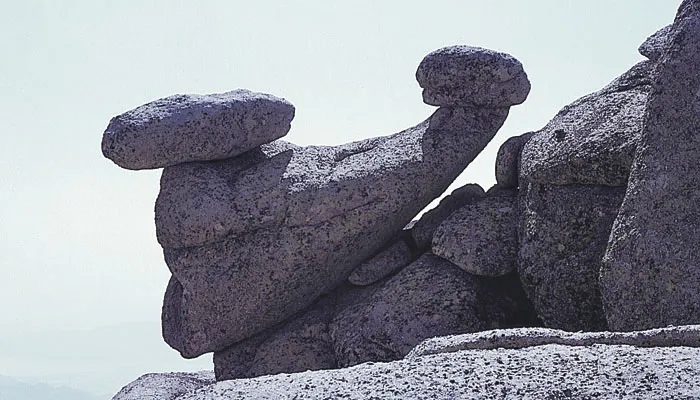
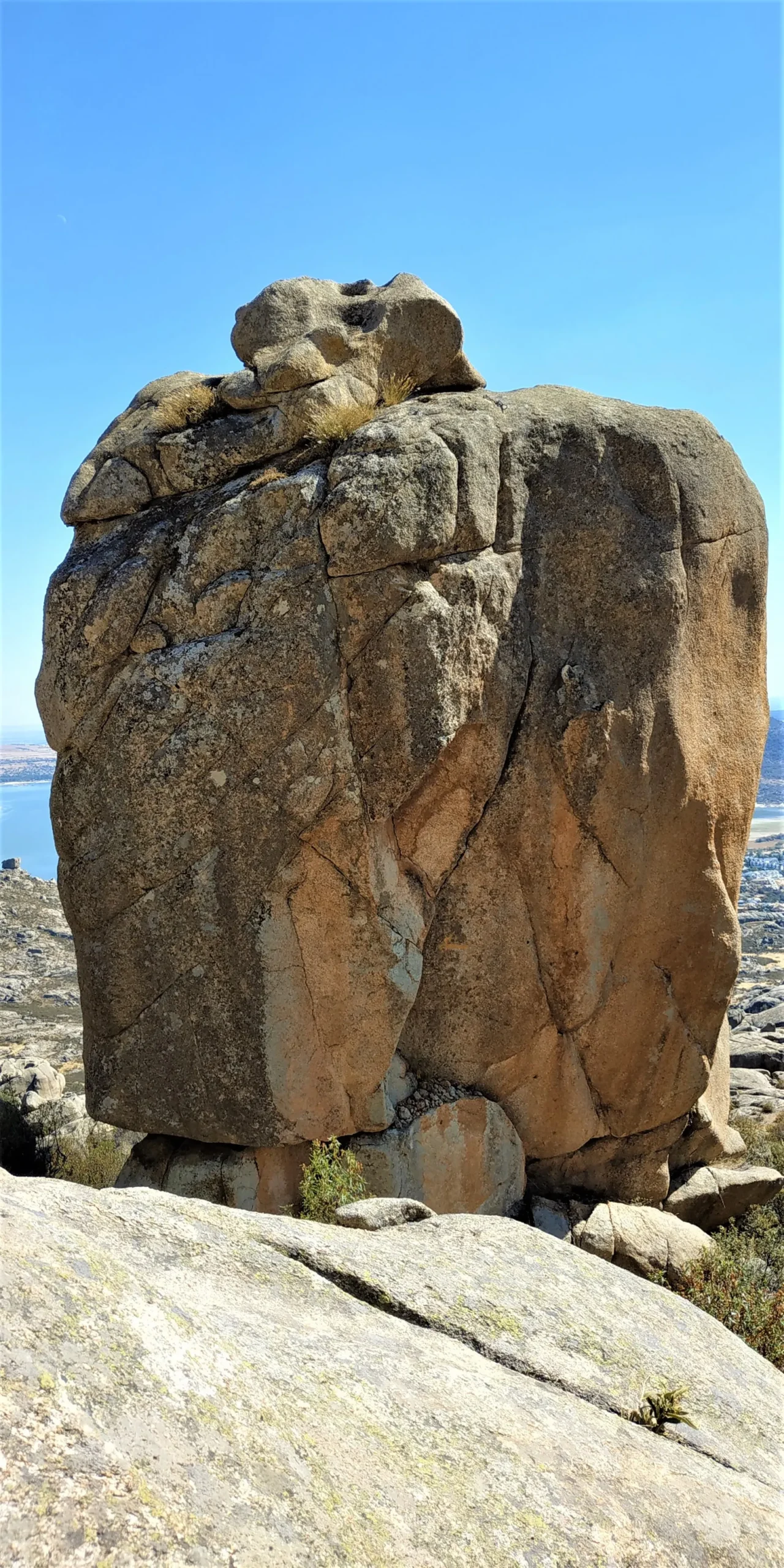
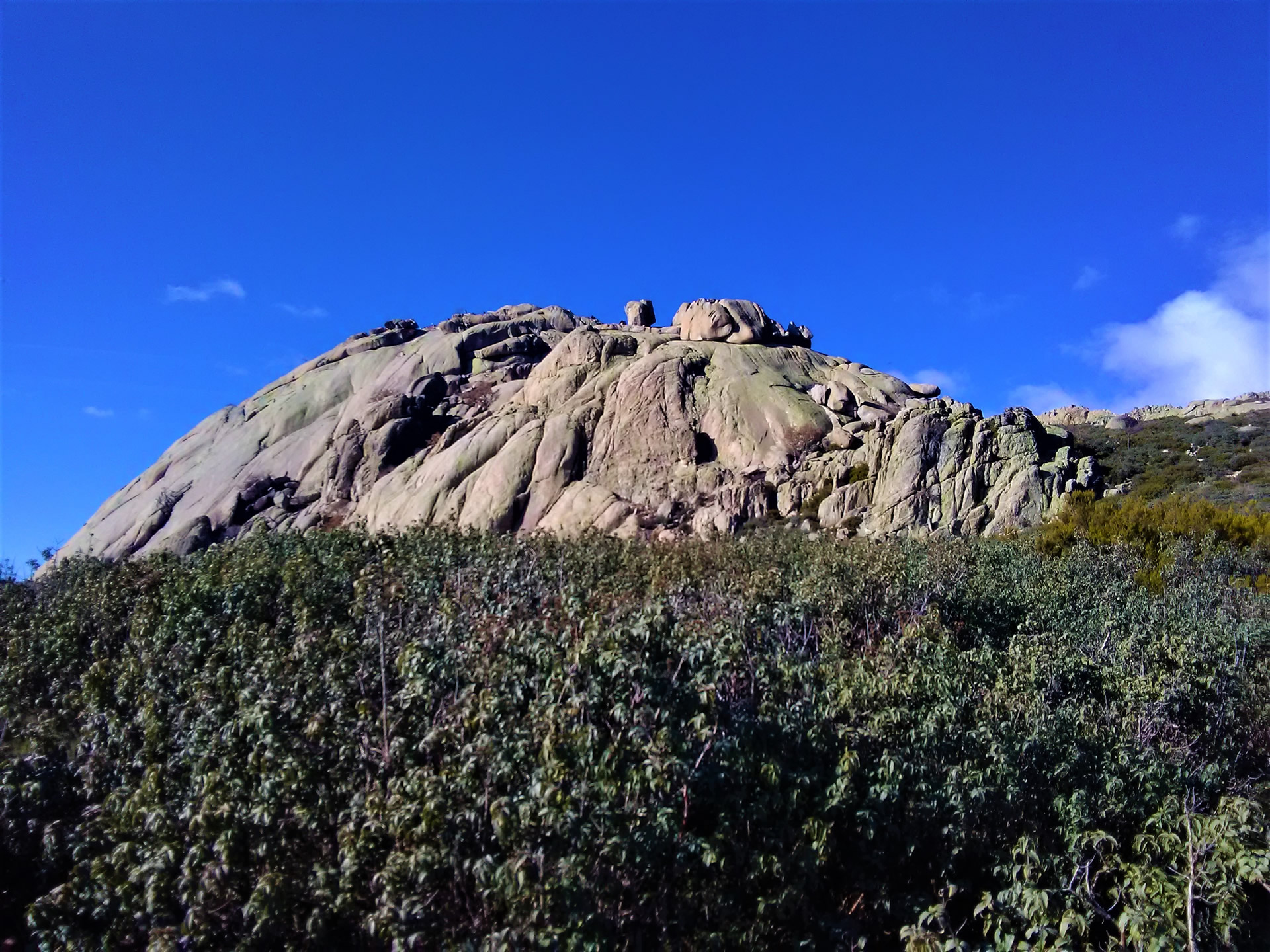
This immense batholith of 3,200 hectares originated in the Carboniferous period, some 300 million years ago. Although its outstanding characteristic is its leucogranite formation, so is the oxidation that gives reddish tones to it and the solidification of subvolcanic rocks in seams, which shows its origin through cracks and fractures. Thanks to erosion by water and wind, and despite the imposing nature of its formation, La Pedriza is constantly shaped into slabs, tafoni, pinholes, crags, domes, detached boulders and ridges which, over the centuries, have received from its inhabitants names such as El Cáliz (The Goblet), El Indio (The Indian), El Yelmo (The Helmet), El Pájaro (The Bird), El Tolmo (The Pillar), El Canto Redondo (The Rounded Stone), El Elefante (The Elephant), El Hueso (The stone), etc., to be able to locate and recognize them. Although it may seem impossible due to the lack of earthy soil, La Pedriza does have a wealth of vegetation and fauna adapted to this environment in a very specific way, taking advantage of the cracks in the rocks to secure their roots, the hollows to shelter, the streams to drink and flourish, the rocky meadows to eat or bushy forests to explore, the humidity of the rocks to sprout, and the heights to watch over their prey. Holm oaks, oaks, ashes, pines, cypresses, rockroses, junipers, thyme, lavender, ferns, mosses, fungi and mushrooms of all kinds grow all along the area; thanks to this landscape, mammals, birds, reptiles and insects live in perfect harmony. Every nook and cranny is full of life, from the most hidden hole to the smallest piece of land, a perfect natural symbiosis. |
 |
| The history of mankind in La Pedriza has been attested to at least since the Bronze Age, thanks to a multitude of archaeological sites that evidence human settlements, both permanent and seasonal, mainly from the Carpetani and Vettones peoples.
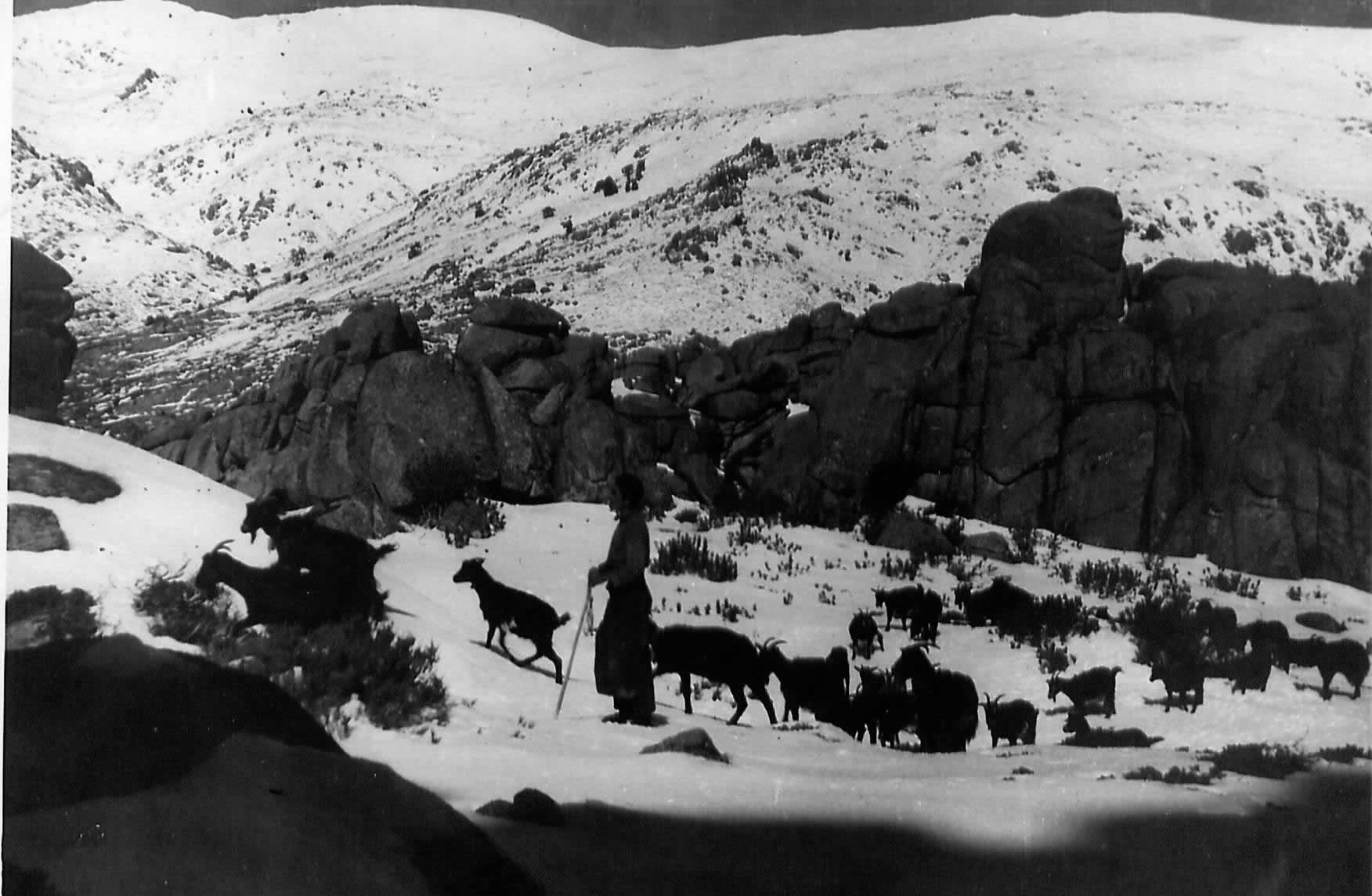
The uniqueness of its environment provided places of shelter, defence, large and small game, water, building material (granite), firewood and grazing places for sheep and goats, which made this area a place of constant settlements and, after the Celtic tribes, also attracted Romans and Visigoths. In fact, from the 14th century onwards, this wealth was key to make La Pedriza one of King Alfonso XI’s favourite places for big game hunting, as his Libro de La Montería (Book of Hunting) testifies. Since the Middle Ages, it has been a perfect place for the people of Manzanares, that has provided autonomy of supply and the development, until a few years ago, of traditional trades, such as quarrying, honey or the manufacture of culm, although La Pedriza has seen much more of our history than we have ourselves. After the War of Independence, banditry proliferated in these crags where Pablo Santos and Paco el Sastre, for example, were well known to locals, and gave rise to a multitude of legends such as that of El Cancho de los Muertos (The Crag of the Dead). But La Pedriza has legends from much older times that were surely imagined, from a pinch of truth and another one of astonishment at its original formations. Our batholith also lived through the Civil War, and above all, the escape of the maquis through its crags, on their way to Segovia, helped by the neighbouring goatherds, such as Adolfo Lucas Reguillón García, alias Severo Eubel de la Paz. Nowadays, customs have changed and so have our needs, so that La Pedriza is now, above all, a natural shelter that invites you to practise mountain sports. In fact, this is the birthplace of climbing in the centre of the peninsula, hiking and cycling routes are developed here, but these are massive practices that degrade the terrain, however hard it may seem. We can enjoy this unparalleled landscape while exercising, but we must never forget to respect and take care of this very special place. |
 |
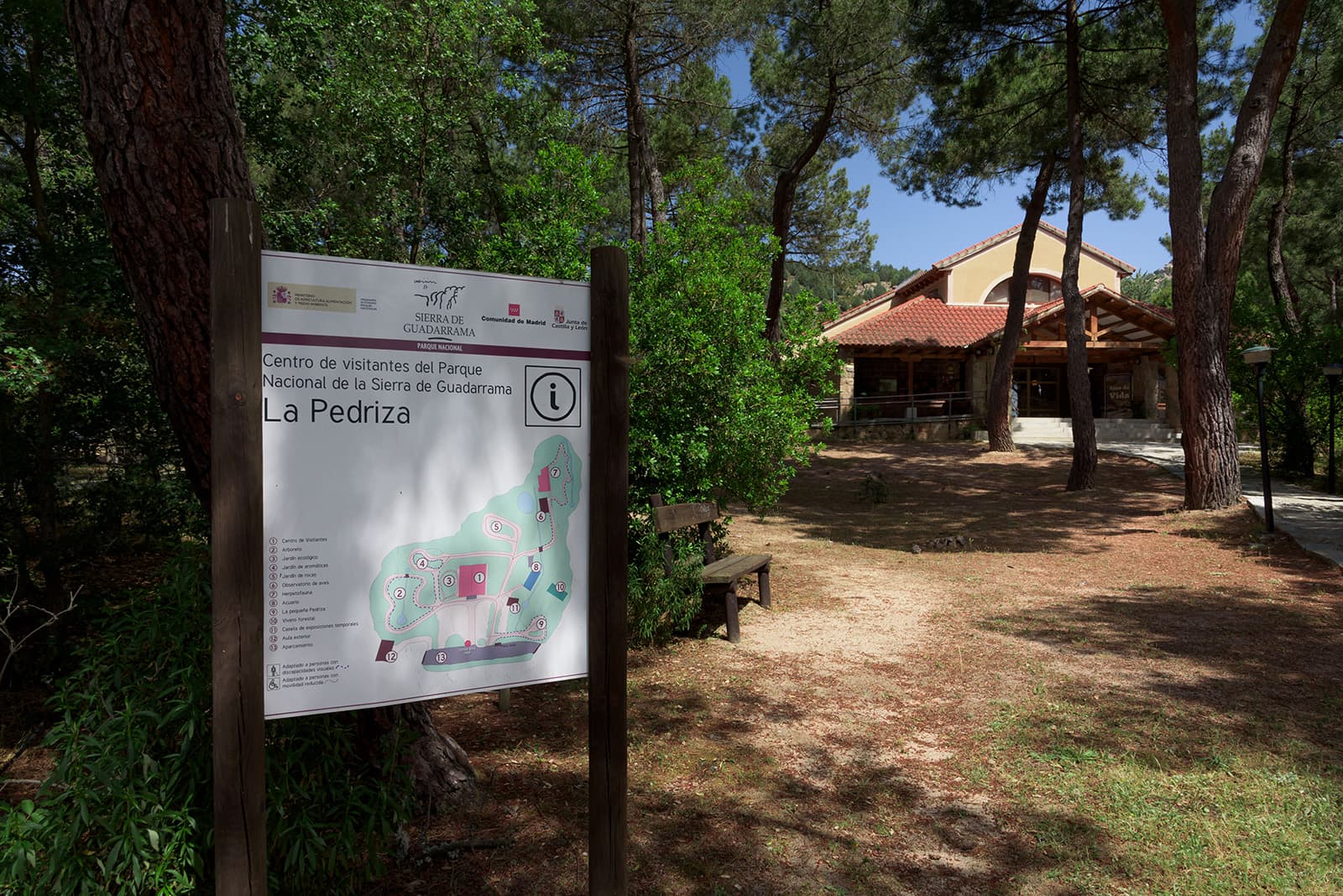
| Located in Manzanares El Real, the Visitor Center sits in the La Pedriza area, next to the paved road that, through the Collado de Quebrantaherraduras, connects with Canto Cochino, also within the municipal boundaries of Manzanares El Real and just two kilometers from the town center.
The main building, home to the environmental education area of the National Park, hosts the permanent exhibition “Journey to the Sierra de Guadarrama”, which takes visitors on a trip from the high peaks to the valleys of the Sierra. The center offers cultural and environmental interpretation of the Sierra de Guadarrama National Park, including La Pedriza and the Cuenca Alta del Río Manzanares Regional Park. In the outdoor grounds, nine themed areas showcase different natural features of the Sierra de Guadarrama, including a trail adapted for visitors with visual impairments. The center also ensures full accessibility to its facilities for people with reduced mobility.
|
 |
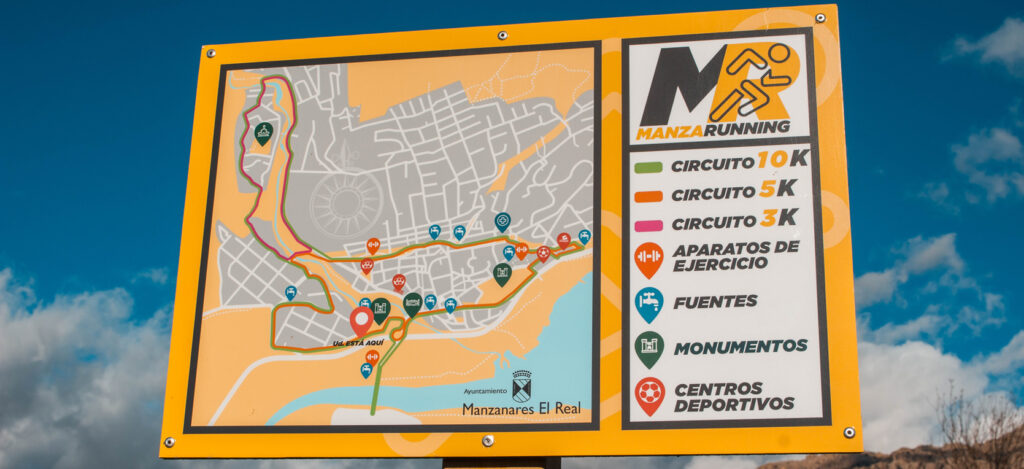
| Next to the Manzanares River lies the Canto Cochino recreational area, one of the main gateways to La Pedriza. It is a leisure spot where visitors can rest or enjoy a meal after a hike, with a few small bars available. Together with El Tranco, it is one of the most popular starting points for routes, with most visitors choosing circular trails between 7 and 10 km. The route from the center of Manzanares El Real to this area is about 11 km.
There are three parking areas at Canto Cochino, with 270 spaces available for cars. Please check the official website for vehicle entry and exit schedules.
|
 |
Images